
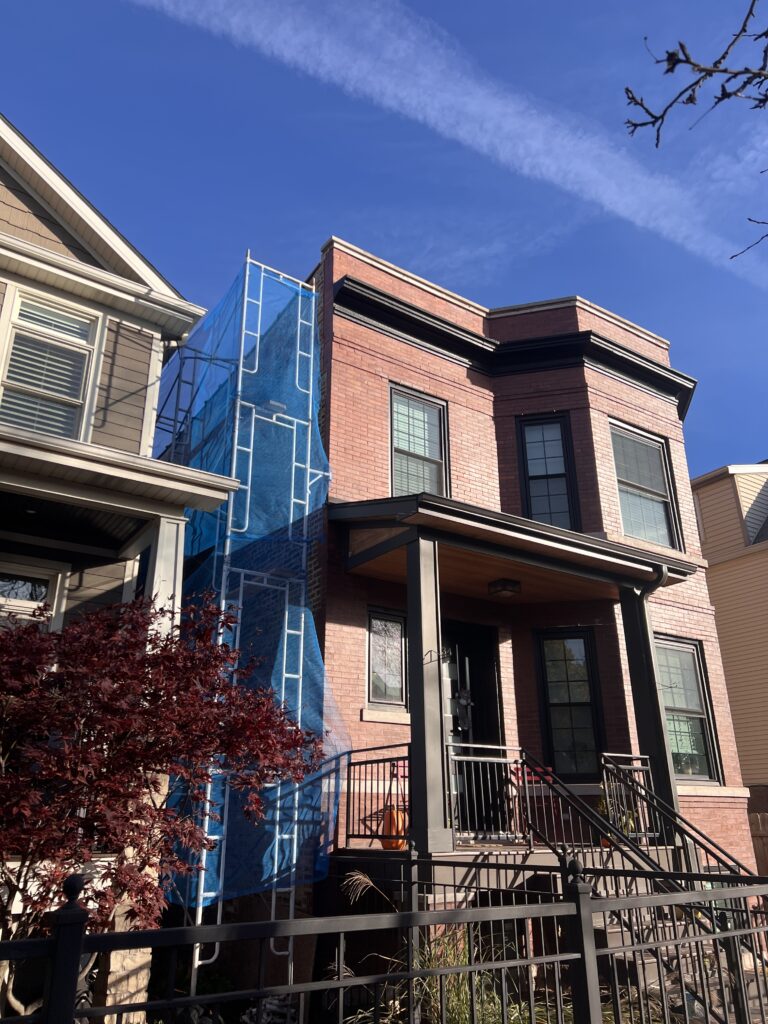
Most masonry issues start small—a hairline crack, a rusted lintel, or white powdery efflorescence on the brick. If left unaddressed, these symptoms turn into major structural failures that compromise the safety of your property. We specialize in identifying the root cause of masonry deterioration, from water infiltration to “rust-jacking,” providing a permanent structural fix rather than a temporary cosmetic patch across Chicago and Northwest Indiana.
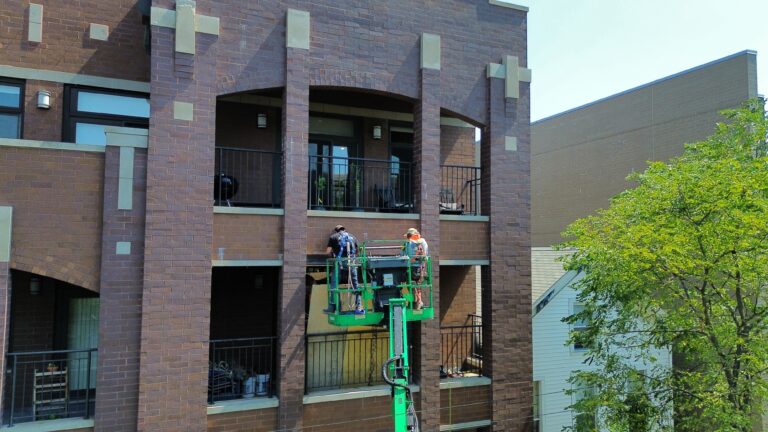
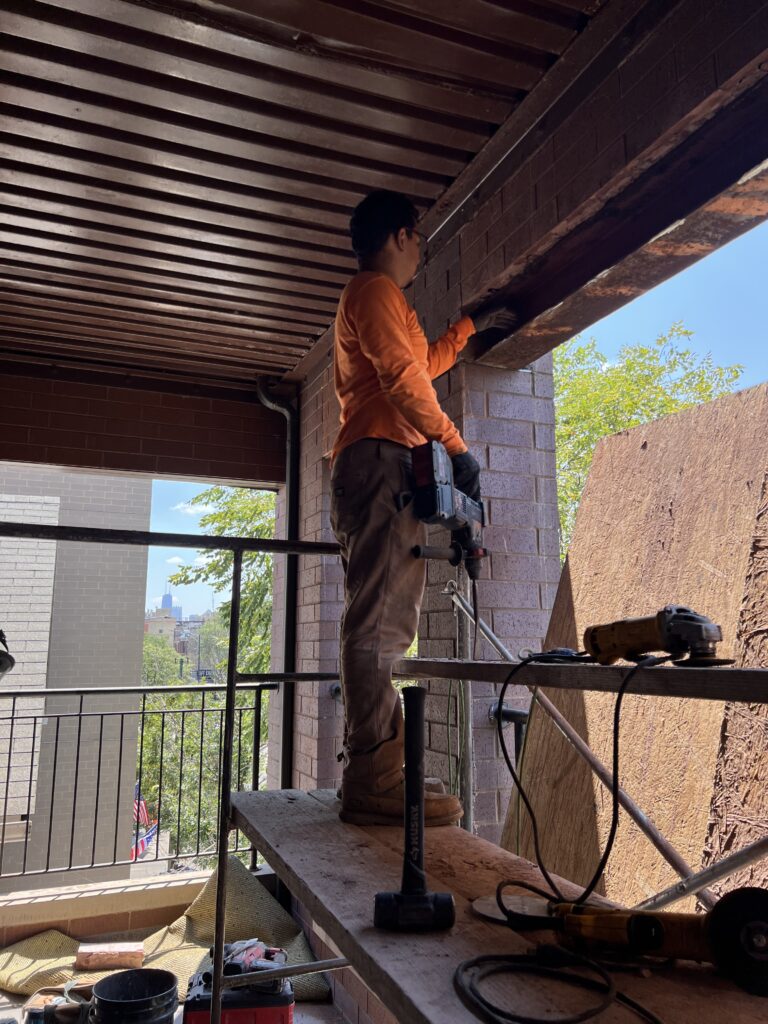
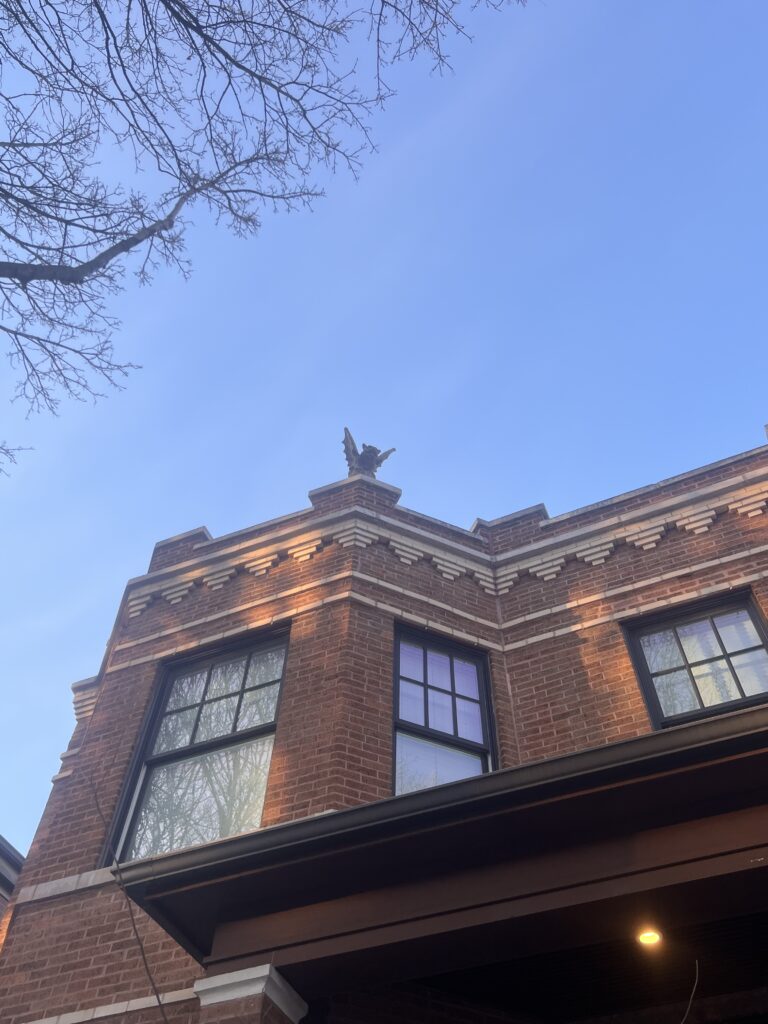
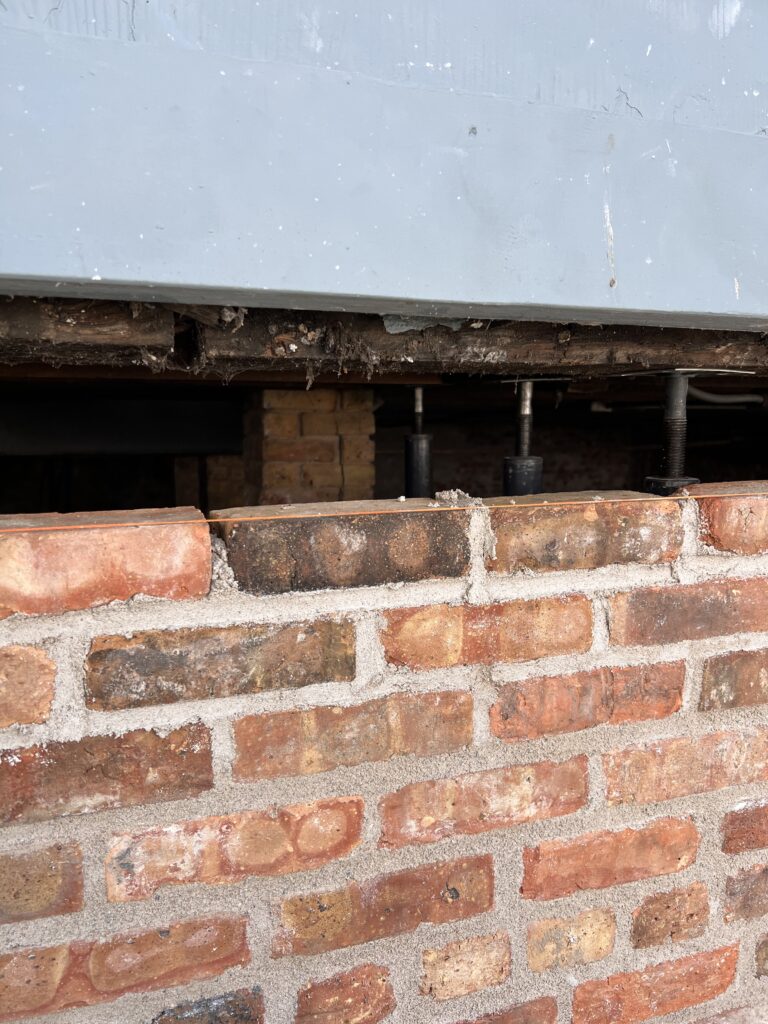
When masonry elements fail, the safety and stability of the entire structure are at risk. We specialize in identifying and correcting the root causes of masonry movement—whether it’s failing steel, foundation settlement, or overloaded arches—to ensure your building remains stable for decades.
Correcting "rust-jacking" by swapping out corroded steel for primed/painted L-angles with high-performance flashing.
Securely supporting masonry walls, parapets, and arches during deep repairs to prevent collapse and ensure site safety.
Installing masonry ties and reinforcement systems to correct bowing walls and separated masonry wythes.
Rebuilding failed masonry arches and load-bearing piers to their original engineering specifications.
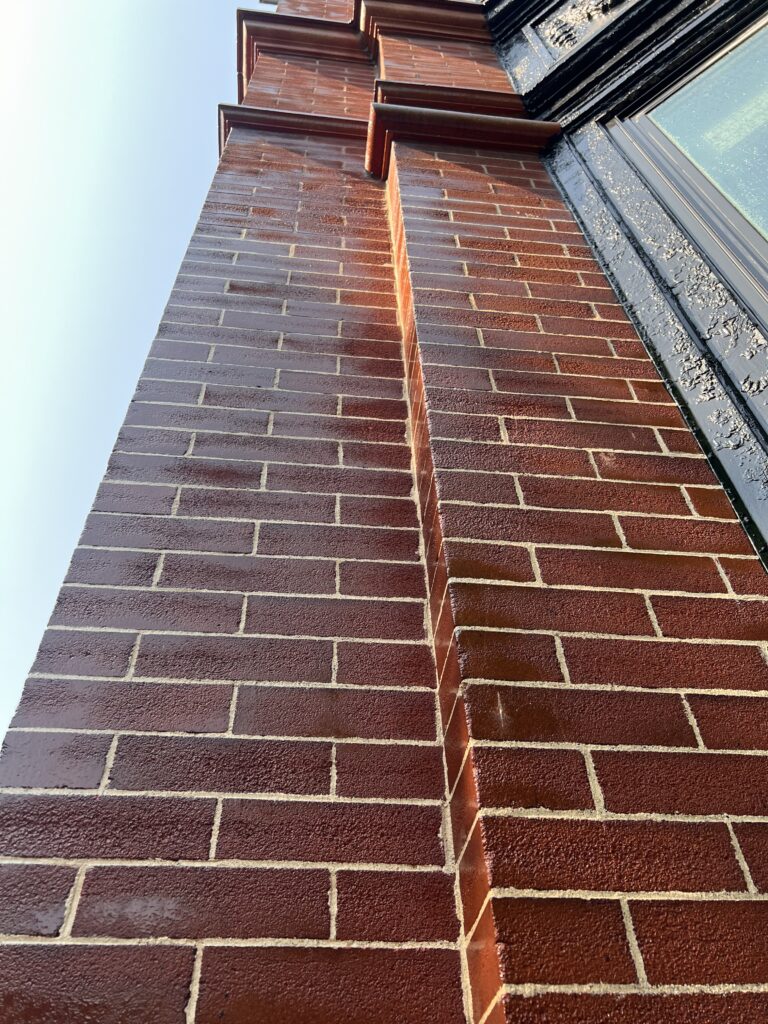
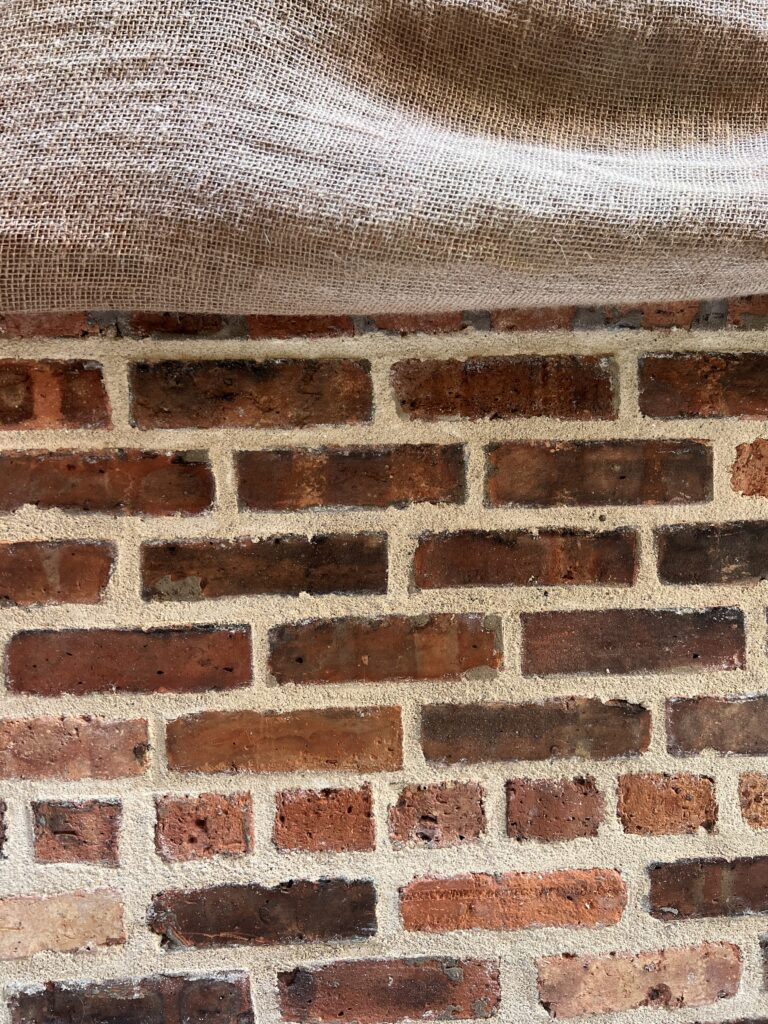
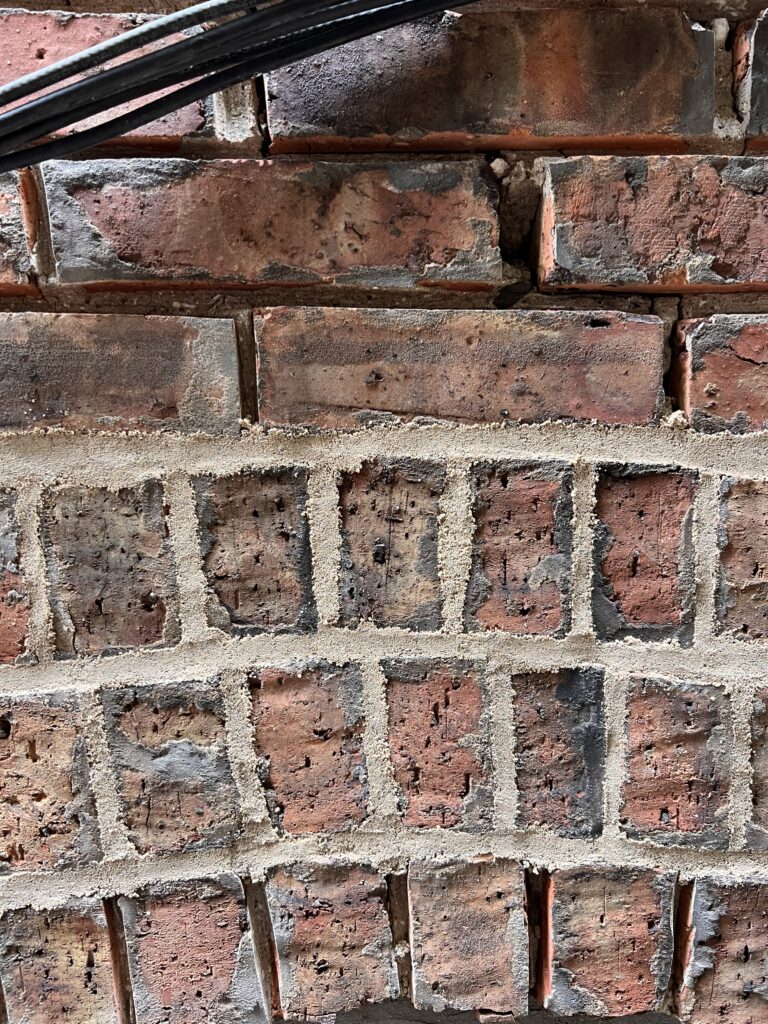
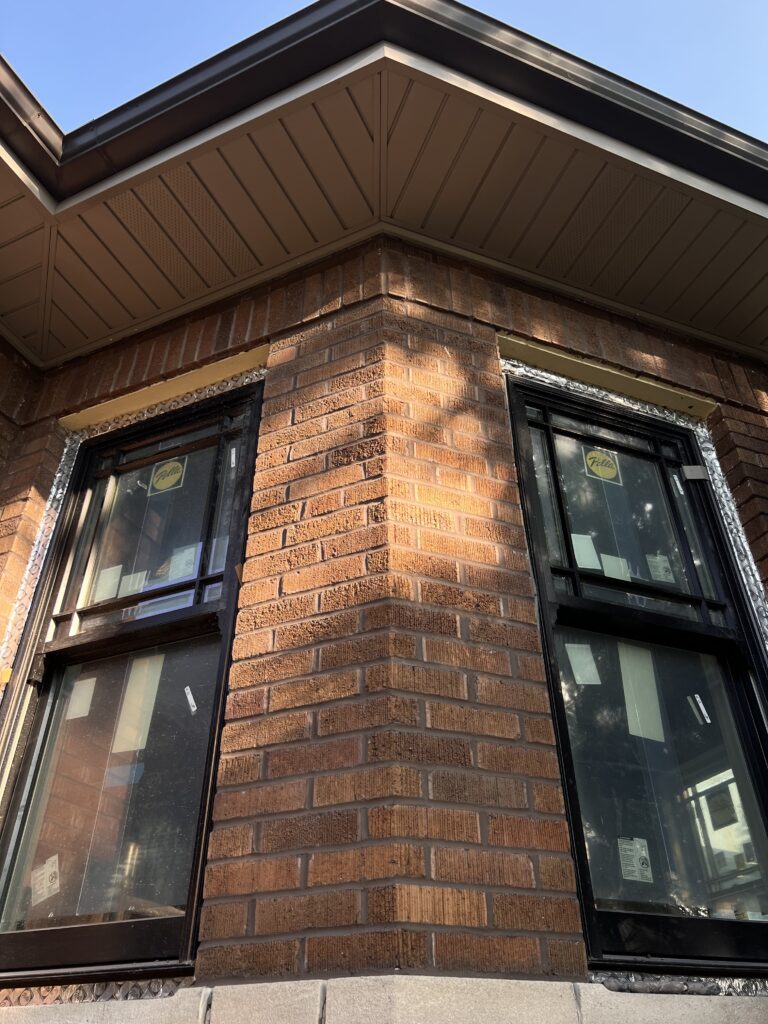
While often used interchangeably, these are distinct processes: Repointing is the structural repair of failing mortar joints to stop water infiltration, while Tuckpointing is a decorative technique using contrasting colors to create the illusion of perfectly thin joints. We provide both to the highest historical and structural standards.
We custom-blend mortar to match the original "breathability," compression strength, aggregates and color—preventing the common "spalling" caused by using modern Portland cement on historic brick.
Mechanically or hand-removing failing mortar to a uniform depth to ensure a permanent bond for the new material.
Replicating original joint styles—including grapevine, struck, weathered, or flush—to maintain the building’s authentic character.
Utilizing HEPA-filtered vacuum systems to minimize mess and protect the environment of your home or facility.
Repointing and tuckpointing are often used interchangeably, but they are not the same service. While both involve mortar joints, their purpose and execution are different. Understanding the distinction is critical when restoring historic masonry, because using the wrong method can affect both structural performance and architectural authenticity.
Repointing focuses on structural integrity. It involves removing deteriorated or failing mortar and replacing it with properly matched mortar that is compatible with the original masonry. The goal is to restore strength, improve weather resistance, and protect the building from moisture infiltration.
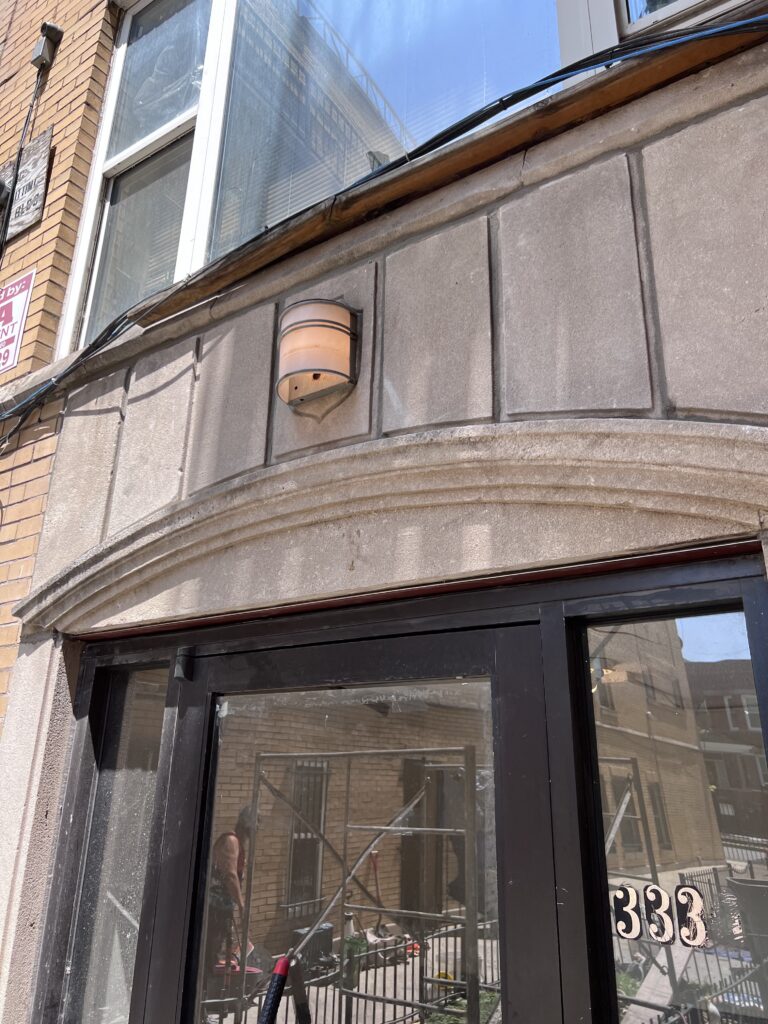
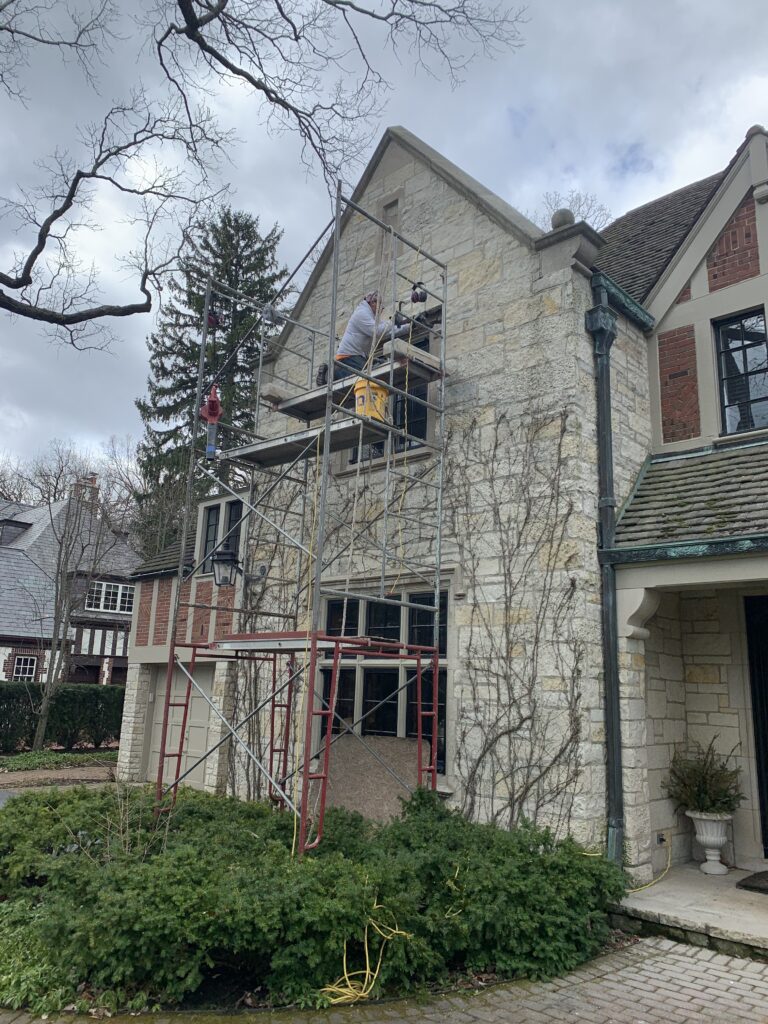
When the face of a building begins to flake, crack, or “sugar,” a standard patch will fail. We provide specialized restoration for all types of architectural masonry using breathable, mineral-based mortars and conservation-grade cleaning techniques that mimic the original material’s density and expansion rate.
Hand-carving and replicating lost or damaged architectural elements—from ornate sandstone scrolls to granite foundation blocks—to restore the building’s original profile.
Utilizing low-pressure injection of specialized mineral grouts to stabilize delaminated masonry units and fill internal voids without dismantling the structure.
Utilizing gentle, "low-impact" poultice treatments to deep-draw salts and atmospheric soot out of porous stone without damaging the masonry face.
Repairing spalled or "sugaring" limestone and sandstone using custom-tinted, breathable restoration mortars.
From the rooftop to the water table, we specialize in the unique structural demands of chimneys and foundations. These areas face the most extreme environmental stress—from thermal expansion and corrosive flue gases to “rising damp” and shifting soil. We provide permanent, weather-tight solutions for these critical masonry “bookends.”
Reconstruction from the roofline up, including the installation of reinforced, overhanging concrete crowns to shed water away from the masonry face.
Inspecting and restoring clay tile liners and parging smoke chambers to ensure toxic gases and heat are safely exhausted.
Restoring stone "water tables," limestone skirts, and brick foundations affected by groundwater-related spalling and freeze-thaw cycles.
Utilizing high-strength mortars and injection systems to stop moisture infiltration and stabilize settling foundation masonry.
Rebuilding internal fireboxes with firebrick and high-temperature refractory mortars to restore safety and functionality.
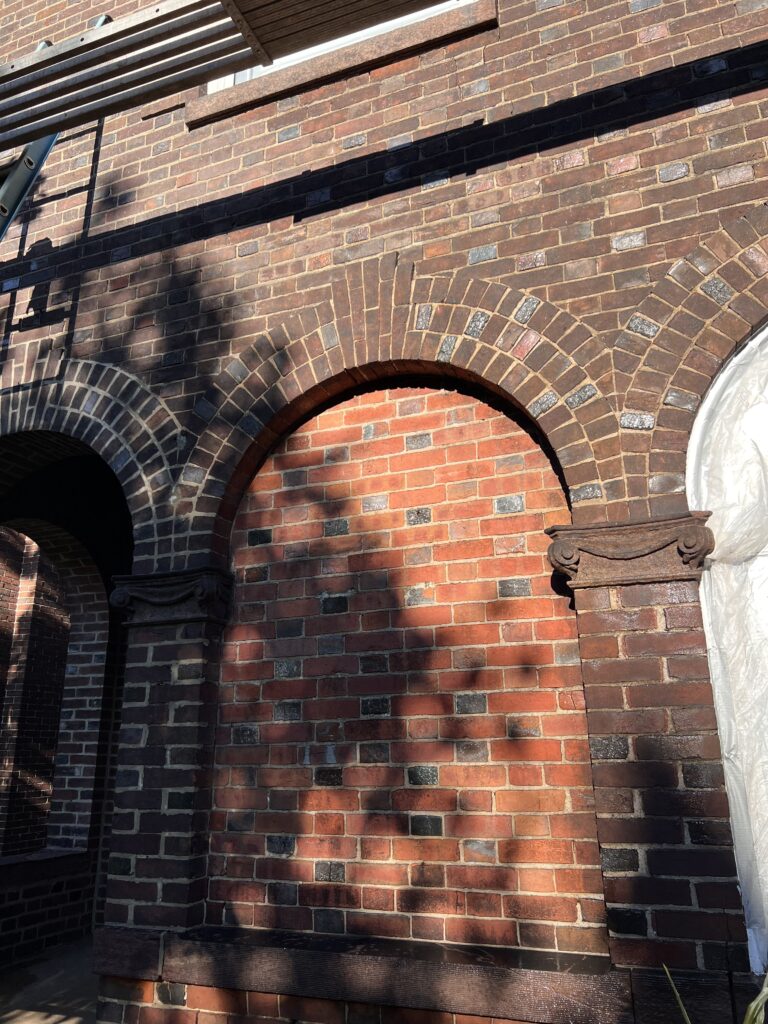
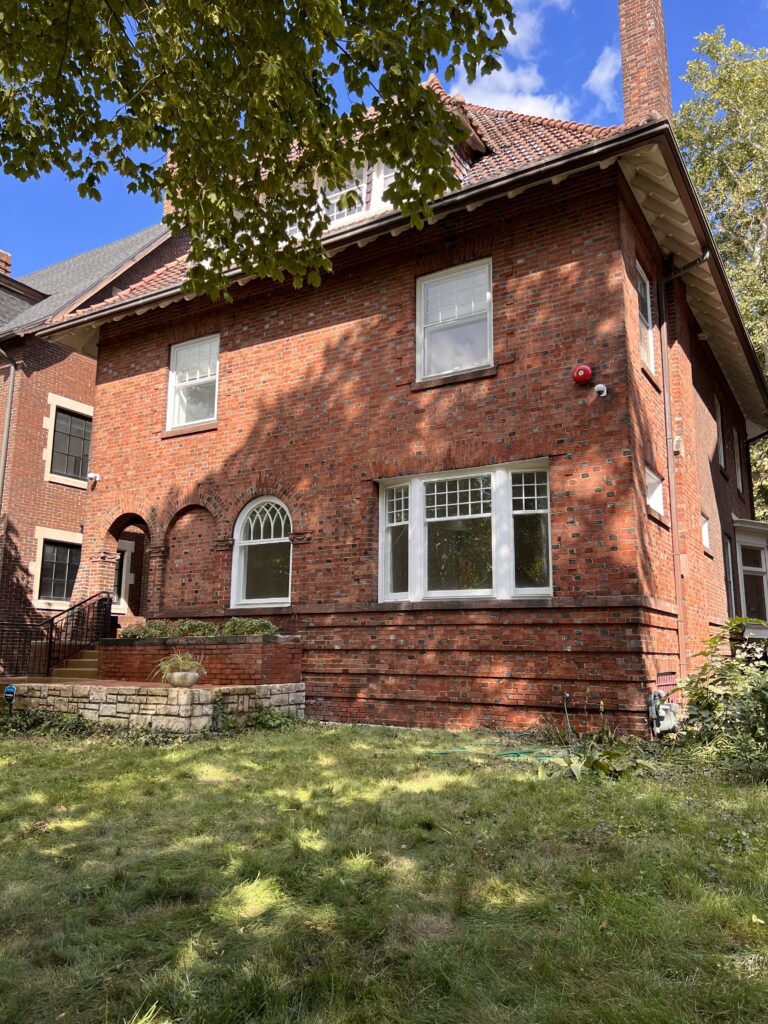
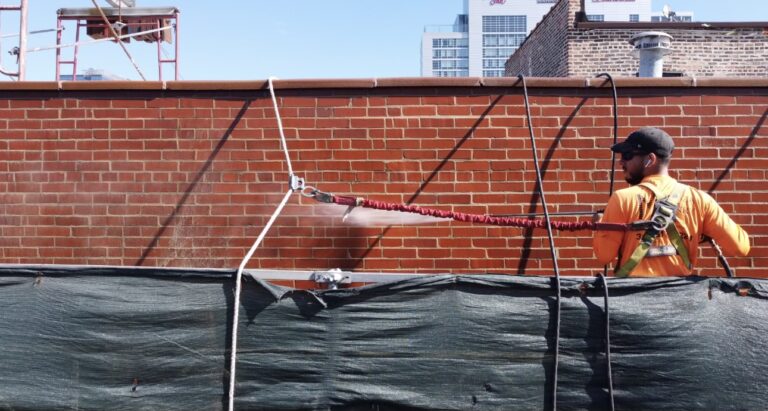
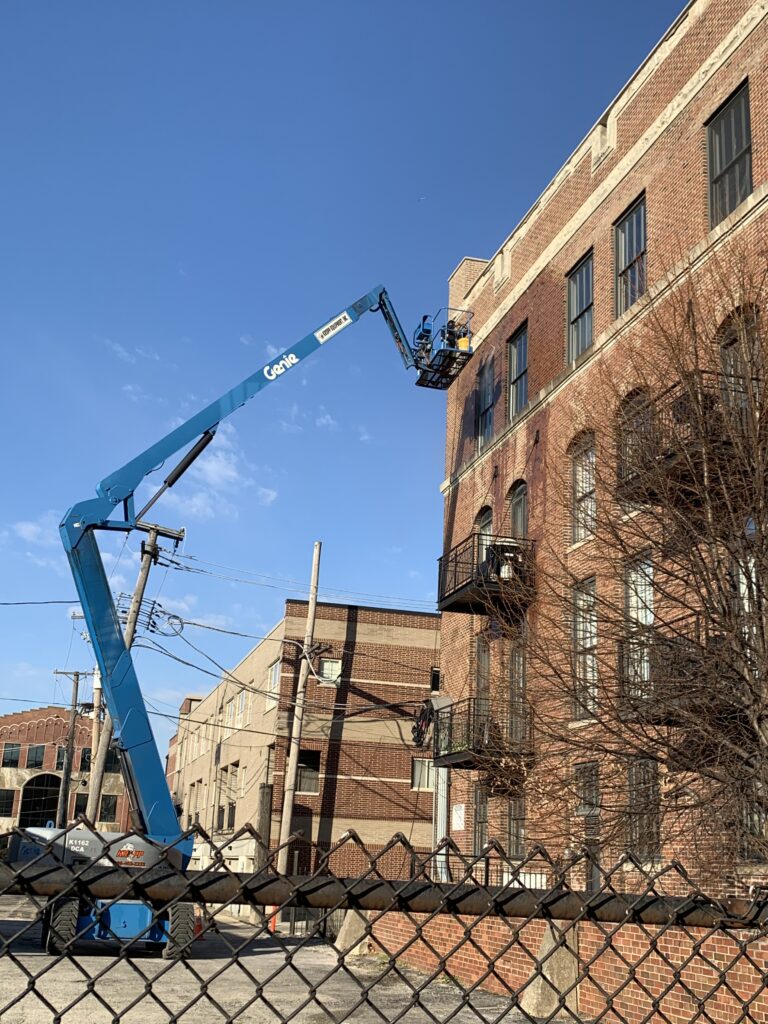
This includes major historic cleaning projects on late 1800s homes near the University of Chicago, where preserving original brick and stone was critical.
Improper cleaning is the leading cause of permanent masonry damage. We utilize non-aggressive, pH-neutral procedures to remove decades of pollutants, biological growth, and failed coatings without etching the brick or stone. Our protective treatments are designed to be “breathable,” allowing moisture to escape while shielding the structure from the elements.
Safely removing layers of suffocating modern paints and heavy coatings to reveal the original masonry and restore "breathability."
Applying traditional lime-based washes or sacrificial "shelter coats" to provide a breathable, mineral-based layer of protection for fragile or weathered surfaces.
Utilizing low-pressure steam and specialized detergents to remove soot, carbon, mold, and "bio-film" without damaging the masonry's natural "fire-skin."
Gently extracting spray paint and markers from porous masonry and applying invisible, sacrificial barriers to prevent future permanent staining.
Applying deep-penetrating "consolidants" to strengthen "sugaring" stone and crumbling brick, binding the material back together at a molecular level.
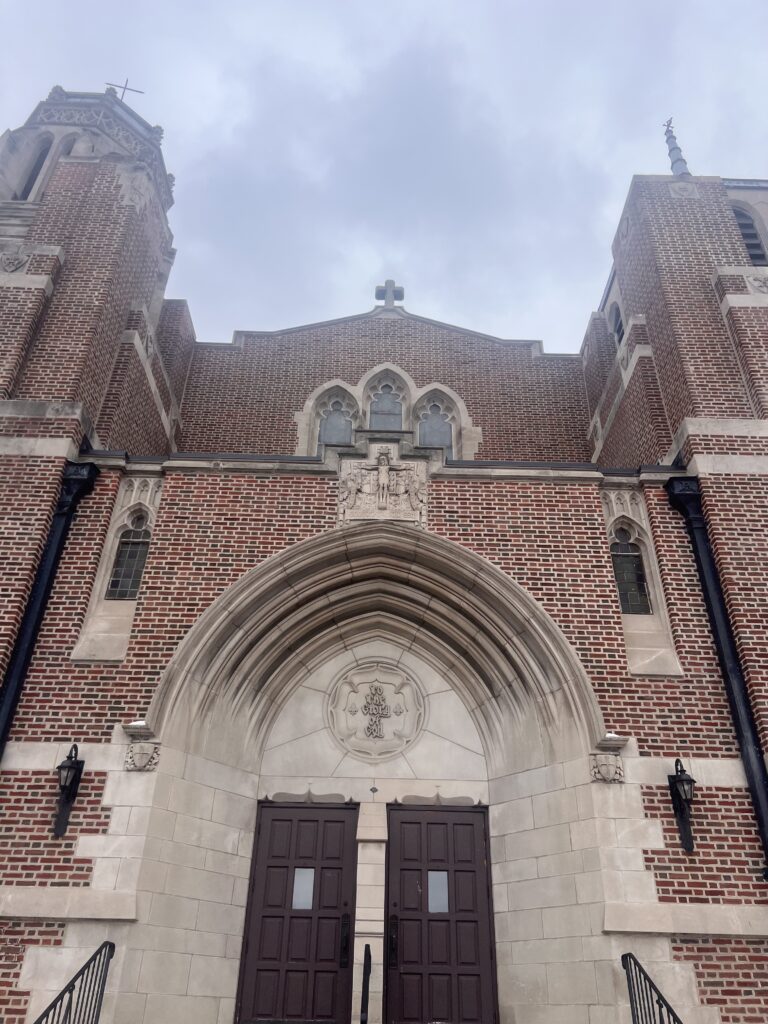
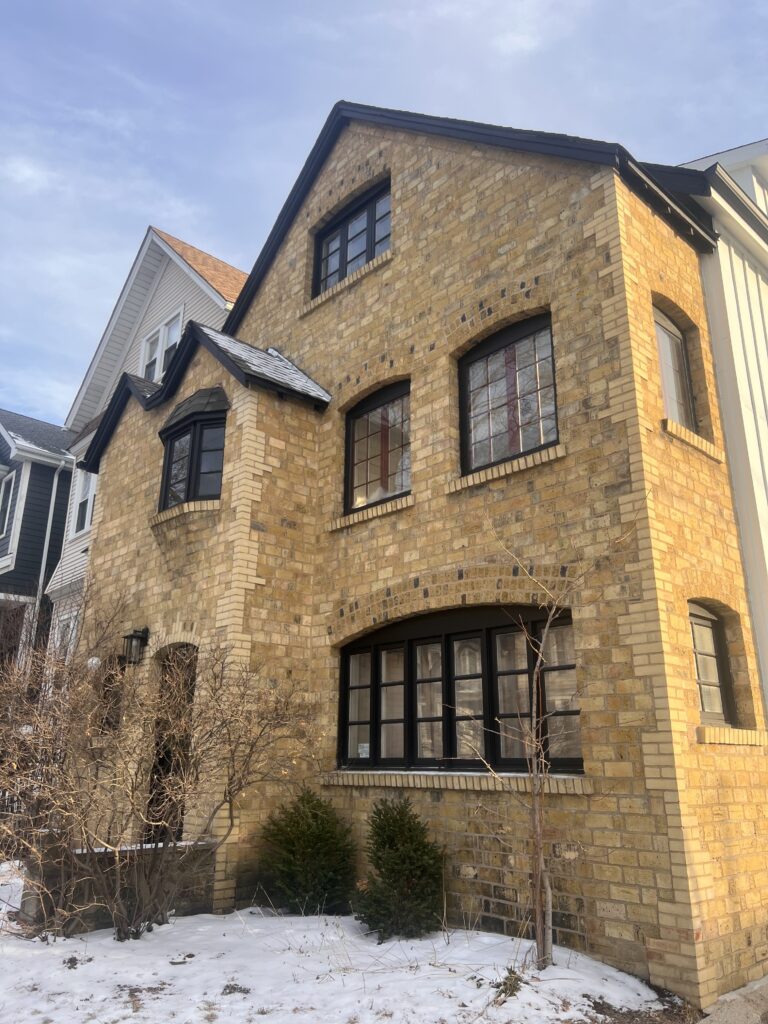
Whether it’s a landmarked institution or an 1880s worker’s cottage, historic masonry requires a specialized touch. We follow the Secretary of the Interior’s Standards for Preservation, ensuring that every repair is chemically and physically compatible with the original historic fabric—preventing the “modern material” failures that destroy old buildings.
Executing repairs that meet or exceed local historic guidelines and preservation standards for residential and commercial structures.
Utilizing laboratory or field analysis to replicate the specific lime, sand, and aggregate profiles of 19th and early 20th-century mortars.
Managing complex masonry projects for churches and schools, as well as providing sensitive, "preservation-first" repairs for historic private homes.
Providing detailed evaluations to help owners and boards prioritize critical repairs and plan for the long-term health of the structure.
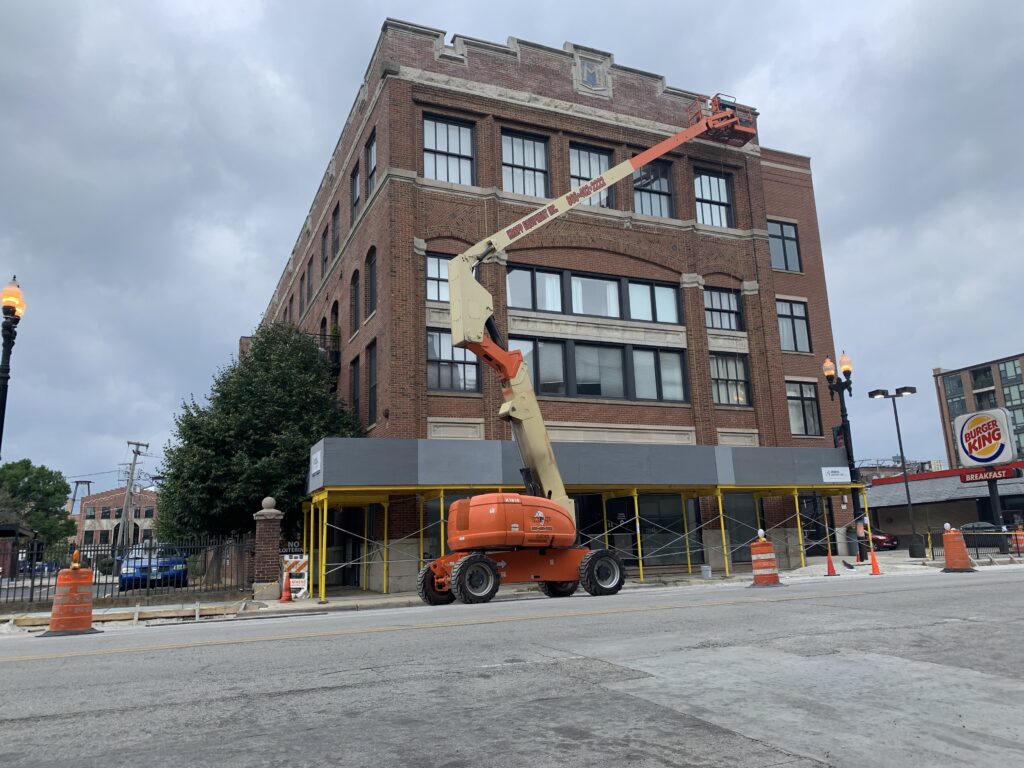
Our restoration process is built on technical accuracy, not guesswork. Whether we are rebuilding a chimney or repointing a historic facade, we use materials that match the original structure’s compression strength and thermal expansion. Every project begins with a thorough evaluation to ensure the new work moves in harmony with the building, preventing the stress cracks and spalling common with standard masonry repairs. We don’t just quote a job; we provide a long-term solution for your investment.